
Introduction to Social Media and Its Growing Influence
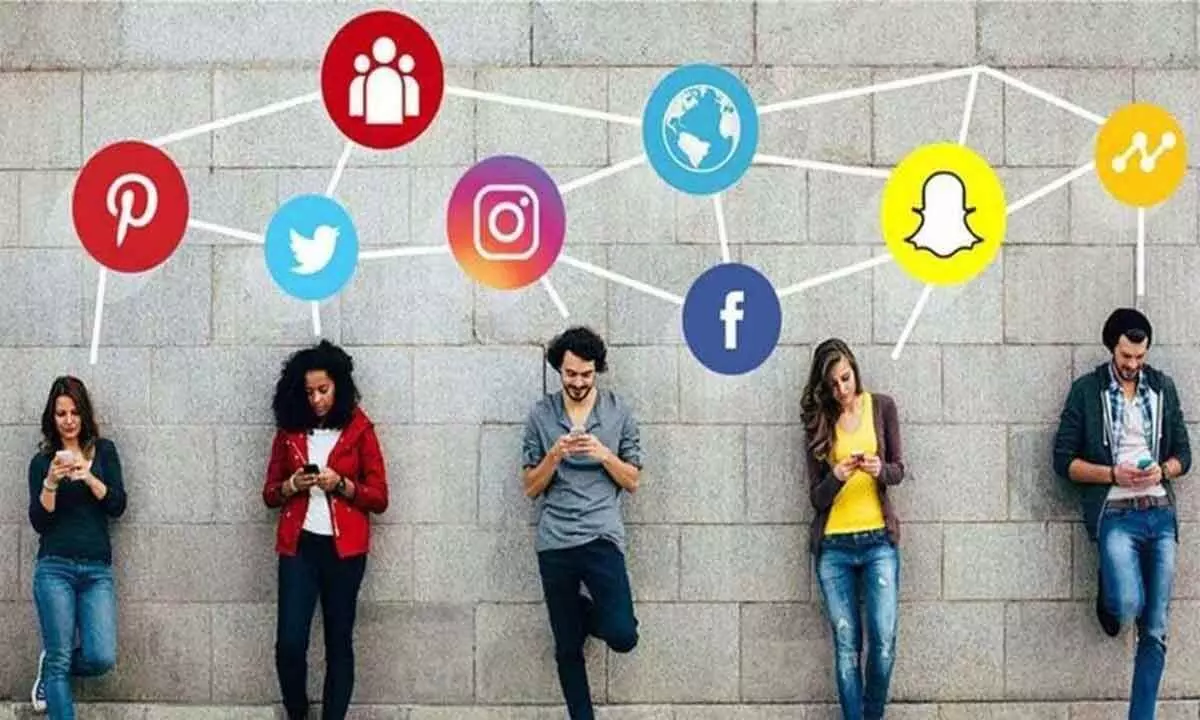
Social Media Impact has become more than just a communication tool in today’s fast-moving digital world. It has transformed the way people think, interact, shop, learn, and express themselves. Platforms like Facebook, Instagram, YouTube, WhatsApp, and X are now deeply integrated into everyday life. From students and professionals to entrepreneurs and influencers, almost everyone uses social media in some form. The impact of social media on people is powerful, influencing mental health, relationships, career growth, and lifestyle choices. But is social media truly beneficial, or does it create more harm than good? The answer lies in how it is used.
Positive Social Media Impact on People
Social media offers several advantages when used responsibly. It has opened new doors for communication, education, and business.
How Social Media Impact on People Improves Communication and Connectivity
One of the biggest benefits of social media is instant connectivity. People can communicate across countries within seconds. Families stay connected, long-distance friendships survive, and global networking becomes easy.
Video calls, group chats, and online communities make communication faster and more interactive than ever before. This digital connection has reduced physical distance and increased global interaction.
Access to Information and Learning Opportunities
Social media is now a powerful educational resource. Many students follow educational channels, experts, and institutions online. Tutorials, webinars, and short educational videos make learning accessible to everyone. It also helps people stay updated about global news, trends, and social awareness topics. From health tips to digital marketing skills, users can learn almost anything through online content.
Business and Career Growth Through Social Media Impact on People
The impact of social media on business is revolutionary. Small businesses can reach customers without spending large budgets on advertising. Entrepreneurs promote products, engage with customers, and build brand authority. Freelancers and professionals use social media for personal branding. LinkedIn, Instagram, and YouTube have become platforms where individuals showcase expertise and attract opportunities. Many people now earn through content creation, affiliate marketing, and online consulting — careers that did not exist a decade ago.
Creativity and Self-Expression
Social media allows individuals to express their creativity freely. Artists, photographers, writers, and designers use these platforms to display their talents. This freedom of expression builds confidence and encourages innovation. For many users, social media becomes a digital portfolio that highlights their skills and personality.
Negative Impact of Social Media on People
Despite its benefits, social media also has serious drawbacks.
Mental Health Challenges
One of the most discussed effects of social media is its impact on mental health. Constant comparison with others’ achievements and lifestyles can reduce self-esteem. People often share only their happiest moments online. This creates unrealistic expectations and pressures others to match those standards. Over time, this comparison may lead to anxiety, loneliness, or depression.
Social Media Addiction and Time Wastage
Social media platforms are designed to keep users engaged. Notifications, reels, and endless scrolling make it difficult to stop. Many individuals spend hours online without realizing it. This reduces productivity, affects studies, and limits real-life interactions. Digital addiction has become one of the major concerns in modern society.
Cyberbullying and Online Harassment
Cyberbullying is a serious issue, especially among teenagers. Negative comments, trolling, and online shaming can deeply affect emotional well-being. Unlike offline bullying, online harassment spreads quickly and can reach a large audience. Victims may feel helpless and isolated.
Privacy and Data Security Risks
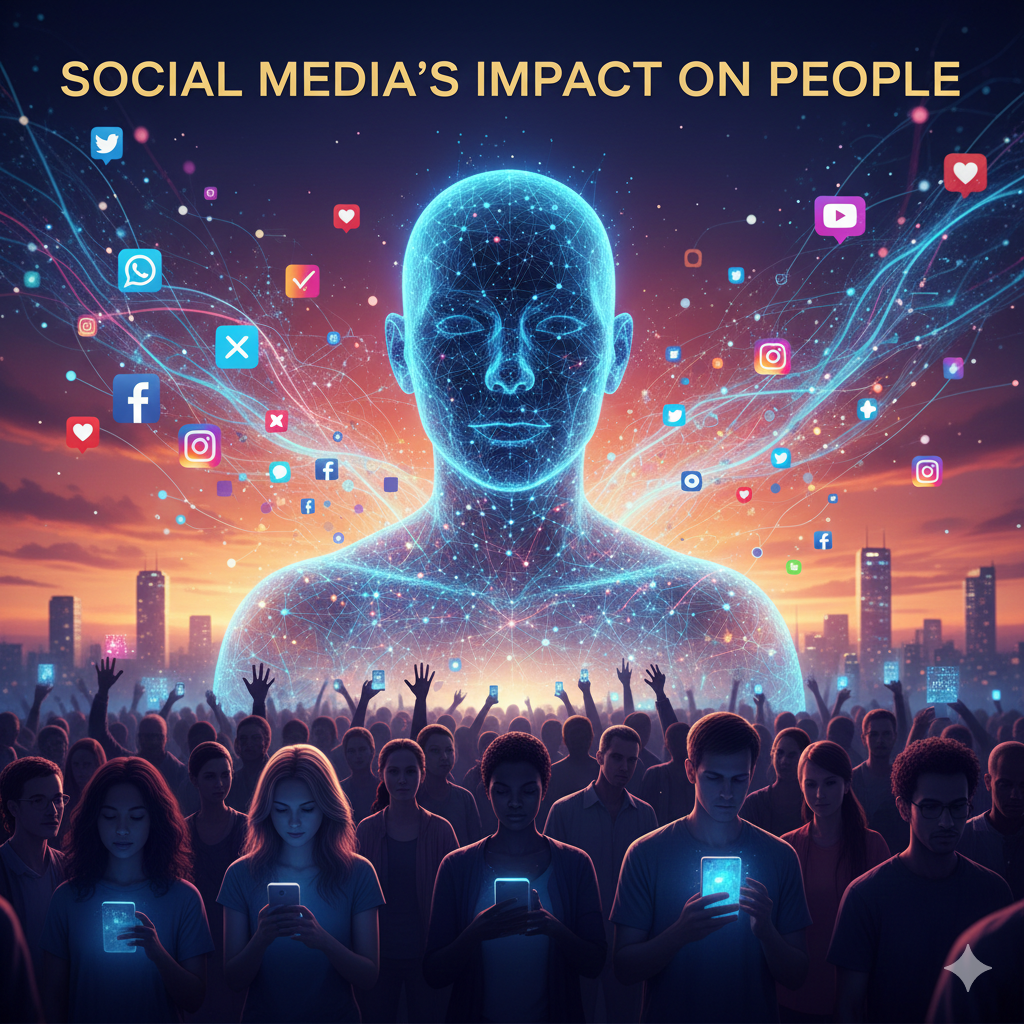
Sharing personal information online comes with risks. Many users are unaware of how their data is collected and used. Data leaks, identity theft, and hacking incidents highlight the importance of digital awareness. Users must understand privacy settings and avoid oversharing sensitive details.
Social Media Impact on Youth
Young people are the most active users of social media. Its influence on youth is significant and long-lasting.
Academic Influence
Social media can support education by providing learning materials and online study communities. However, excessive usage can distract students from their academic responsibilities. Balancing study time and screen time is essential for students.
Behavioral and Emotional Changes
Teenagers often seek validation through likes and comments. This may create emotional dependency on online approval. Mood swings, reduced attention span, and increased anxiety are common effects of excessive social media use among youth.
Peer Pressure and Online Comparison
Young users frequently compare their appearance, lifestyle, and achievements with others. This comparison can lower confidence and create unnecessary pressure. Parents and educators must guide teenagers to use social media responsibly.
Impact of Social Media on Relationships
Social media plays a dual role in relationships. It helps people stay connected but can also create misunderstandings. Couples may experience jealousy due to online interactions. Miscommunication through text messages may lead to conflicts. At the same time, social media strengthens long-distance relationships and allows families to share memories instantly. Balance is the key to maintaining healthy relationships in the digital era.
Social Media and Society
Social media influence’s public opinion and social movements. It spreads awareness about important issues and gives people a voice. Campaigns related to environment, education, health, and equality often gain attention through social platforms. However, misinformation and fake news also spread rapidly. Users must verify information before sharing it.
How to Use Social Media in a Healthy Way
To reduce negative effects, people should practice mindful usage:
- Set daily screen time limits
- Follow positive and educational content
- Avoid comparing life with others
- Take digital detox breaks
- Protect personal data
- Focus on real-life relationships
Using social media as a tool rather than a habit makes a significant difference.
Future of Social Media and Human Behavior
The future of social media will likely involve more artificial intelligence, virtual reality, and personalized content.
As technology grows, its impact on people will become even stronger. Digital literacy and emotional awareness will be essential skills in the coming years.
Society must adapt responsibly to these changes.
Conclusion
The impact of social media on people is both positive and negative. It connects the world, creates opportunities, supports learning, and encourages creativity. At the same time, it can cause mental stress, addiction, privacy risks, and relationship challenges.
Social media itself is not harmful — misuse is. When used wisely, it becomes a powerful platform for growth and communication.
The key lies in balance, awareness, and responsible digital habits.